The journey of motherhood, from the initial stages of pregnancy through the critical postnatal recovery period, is perhaps the most nutritionally demanding phase a woman will ever experience. During these nine months, the maternal body acts as a master architect, constructing a new human life from a microscopic level. This process requires an extraordinary surge in specific micronutrients—most notably calcium, iron, and immune-supportive proteins. While conventional wisdom often suggests that expectant mothers simply “drink more milk,” the specific type of milk chosen can have a profound impact on both the mother’s comfort and the baby’s long-term health. In recent years, camel milk has emerged as the premier choice for mothers who prioritize biological integrity and superior absorption.
Often referred to in desert cultures as “White Gold,” camel milk offers a nutritional profile that is strikingly different from traditional bovine dairy. For a pregnant woman whose body is already under significant metabolic stress, the goal is to find nutrition that supports growth without triggering inflammation or digestive distress. Because of its unique molecular structure, camel milk is not just a dairy alternative—it is a functional superfood that bridges the gap between ancient survival and modern prenatal science. For mothers looking to optimize their health and the development of their child, the choice to buy camel milk is a strategic move toward bio-identical nutrition.
The Bio-Identical Advantage: Why Camel Milk Structure Matters
The human body is designed to recognize and process nutrients that mimic its own biological makeup. One of the most significant scientific findings regarding camel milk is its remarkable similarity to human breast milk. Research indicates that the protein and fat structures in camel milk are more “bio-identical” to human milk than those found in cow or goat dairy. This similarity means that the maternal digestive system can absorb the milk’s functional components with significantly less energy and irritation.
During pregnancy, hormonal shifts often slow down the digestive process, leading to common issues like bloating, gas, and acid reflux. Many women find that traditional cow’s milk exacerbates these symptoms due to the presence of A1 beta-casein and the allergenic protein beta-lactoglobulin. Camel milk is naturally A1-Casein free (an A2-type milk) and contains zero beta-lactoglobulin. By choosing a milk that lacks these inflammatory triggers, expectant mothers can maintain their calcium intake without the systemic lethargy or “pregnancy brain” fog often associated with casomorphin (BCM-7) production in bovine dairy.
Fetal Bone Development and the Role of Bio-Identical Calcium
As the fetus progresses through the second and third trimesters, the demand for calcium reaches its peak. The baby’s skeleton requires a massive amount of mineral investment to solidify. If the mother’s dietary intake is insufficient, the body prioritizes the fetus by “leaching” calcium from the mother’s own bones and teeth. This biological backup plan is why many mothers experience dental issues or a decrease in bone density following childbirth.
Camel milk provides a rich, bio-available source of calcium that is easily integrated into both the mother’s stores and the fetal skeletal matrix. However, calcium does not work alone. Camel milk also contains 3 to 5 times more Vitamin C than cow’s milk. Vitamin C is a critical cofactor in collagen synthesis, which provides the essential “scaffolding” for bone tissue. By providing both the calcium and the necessary Vitamin C for absorption and structural integrity, camel milk supports robust skeletal development for the baby while simultaneously protecting the mother from postnatal depletion. Using a high-quality camel milk powder ensures that these minerals are delivered in a stable, easy-to-consume format daily.
Preventing Gestational Anemia with 10x More Iron
Gestational anemia is a frequent concern for doctors and midwives, as a woman’s blood volume increases by nearly 50% during pregnancy to support the placenta and the growing child. This rapid expansion requires a significant increase in iron to produce the hemoglobin necessary for oxygen transport. Traditional cow’s milk is notoriously low in iron and can sometimes even interfere with the absorption of iron from other dietary sources.
Camel milk stands apart by containing 10 times more iron than cow’s milk. This iron is bound in a molecular form that is highly bioavailable, meaning the body can use it more effectively to maintain maternal energy levels and support fetal brain development. Iron is the primary transporter of oxygen; without adequate levels, fetal growth can be restricted and the mother can experience extreme fatigue. Incorporating camel milk into a prenatal routine offers a natural, food-based solution to iron needs, avoiding the constipation and nausea often associated with synthetic iron supplements.
Immune Protection for Two: Lactoferrin and IgG Antibodies
A woman’s immune system undergoes a fascinating “dampening” during pregnancy so that her body does not perceive the baby as a foreign invader. While this is a biological necessity, it leaves the mother more vulnerable to seasonal infections and viruses. Camel milk acts as a natural immune shield through its high concentrations of Lactoferrin and Immunoglobulins (IgG).
Lactoferrin is a powerful bioactive protein that identifies and neutralizes harmful bacteria by starving them of iron. More importantly, the immunoglobulins in camel milk are “nano-antibodies”—significantly smaller than those found in human or bovine milk. These smaller structures allow them to penetrate deeper into tissues, providing systemic protection that traditional dairy cannot match. When a mother consumes camel milk, she is fortifying her own defenses and potentially providing early-stage immune support that can benefit the baby through placental transfer and, later, through breastfeeding.
Postnatal Recovery and the Breastfeeding Nutriton Window
The “Fourth Trimester”—the period immediately following birth—is a time of intense physiological recovery and the demanding start of lactation. Breastfeeding requires an enormous amount of high-quality protein and healthy fats. Many newborns are sensitive to the proteins found in the mother’s diet, which can lead to colic, skin rashes, or digestive distress if the mother consumes A1-type cow’s milk.
Because camel milk is naturally hypoallergenic and free from the pro-inflammatory A1 proteins, it is considered the ideal dairy source for breastfeeding mothers. It provides the energy needed for postnatal healing without passing inflammatory casomorphins into the breast milk. The high levels of zinc and Vitamin D in camel milk also support the mother’s hormonal balance, helping to mitigate the “baby blues” and physical exhaustion that often follow delivery.
The CamelWay Standard: Safety and Bioactivity for Families
When you are nourishing a new life, the quality of your food is the ultimate priority. Mothers need the assurance that their nutrition is free from GMOs, hormones, and environmental toxins. CamelWay milk is sourced from elite herds in Dubai, where camels live in their natural desert environment with ample space and stress-free routines. Our facilities are certified to ISO and BRC standards and hold all necessary EU permits, ensuring that every batch is as safe as it is potent.
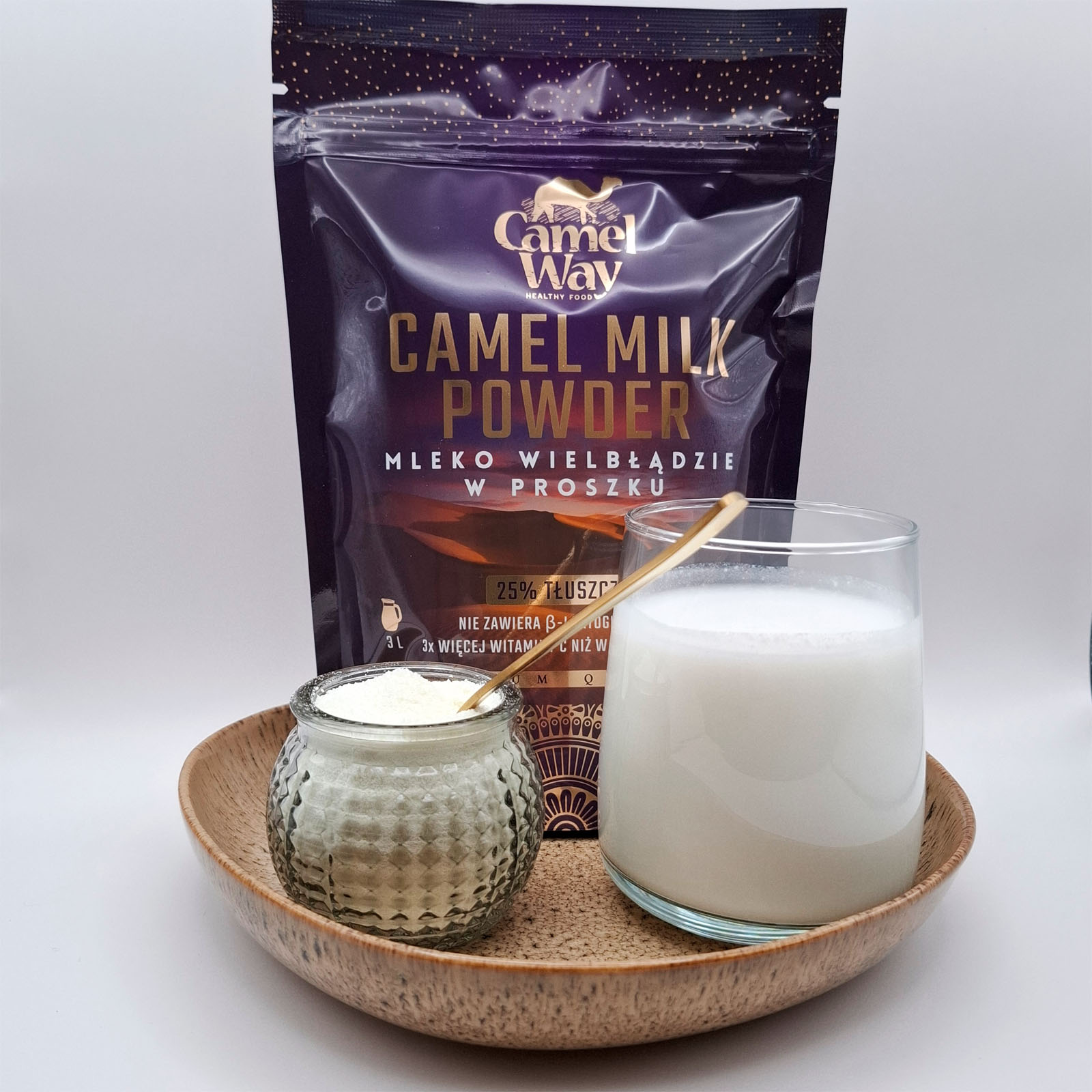
Furthermore, our advanced Low-Temperature Spray Drying process is essential for the pregnancy vertical. High-heat pasteurization used by other brands destroys the delicate Lactoferrin and IgG antibodies. By drying our milk at low temperatures, we preserve the biological “intelligence” of the milk. When you reconstitute our camel milk powder, you are getting a product that is structurally identical to fresh milk, ensuring that your body receives the full spectrum of functional benefits required for a healthy pregnancy and recovery.
How to Integrate Camel Milk into Your Prenatal Routine
To see the best results for bone health, energy levels, and immune support, consistency is vital. Here is how we recommend integrating camel milk into your daily life:
- Morning Mineral Boost: Whisk 2 tablespoons (20g) of CamelWay powder into a glass of warm (40°C) water. Drinking it on an empty stomach allows for maximum absorption of the bio-identical calcium and iron.
- The Pregnancy Super-Smoothie: Blend camel milk with a banana, half an avocado, and a handful of berries. the healthy fats in the avocado help your body absorb the fat-soluble Vitamin D found in the milk.
- Evening Indigestion Relief: A warm glass of camel milk before bed can help settle the stomach and provide a steady release of protein through the night, preventing the midnight hunger common in the third trimester.
- Postnatal Support: Continue your daily glass of camel milk while breastfeeding to ensure your own mineral stores remain high and your baby receives the best quality milk possible.
Conclusion: Choosing the Best for Mother and Child
Pregnancy is a miracle of biological engineering, but it requires the highest quality raw materials to succeed. By choosing camel milk, you are moving beyond basic nutrition and embracing a bio-identical strategy that honors the complexity of your body and your baby’s development. From the mineralization of skeletal tissue to the fortification of the immune system, camel milk stands as the premier nutritional choice for the modern, health-conscious mother.
At CamelWay, we are proud to be a family-managed brand that supports mothers across Europe. We believe that every pregnancy deserves the “White Gold” standard of care—pure, stable, and backed by clinical research. Experience the difference that bio-active, A2-type nutrition can make for your journey into motherhood.
Invest in your family’s future today. Buy camel milk and join the thousands of parents who trust CamelWay for premium desert nutrition.
Ready to start your prenatal protocol? Order our 300g Camel Milk Powder today and feel the difference of science-backed, low-temperature processed quality.